Modules
TOPCon, HJT, back contact or bifacial: choosing modules for Indian roofs
On a 65 °C metal roof, the temperature coefficient matters more than the headline efficiency.
Two years ago the module choice in India was simple: mono PERC, 540–550 W, done. Today a commercial buyer is offered TOPCon, HJT and back-contact (BC) modules, in glass-glass or glass-backsheet, monofacial or bifacial, from a supply chain that is being reshaped by the ALMM List-II cell mandate. Here is how we think about the choice for rooftops and ground mounts.
The cell technologies, briefly
| PERC (p-type) | TOPCon (n-type) | HJT (n-type) | Back contact | |
|---|---|---|---|---|
| Typical module efficiency | 21–21.5% | 22.5–23.5% | 22.5–23.5% | 23.5–24.5% |
| Power temp. coefficient | ≈ −0.35%/°C | ≈ −0.29 to −0.30%/°C | ≈ −0.24 to −0.26%/°C | ≈ −0.26 to −0.29%/°C |
| Bifaciality | ≈ 70% | ≈ 80% | ≈ 85–90% | ≈ 60–70% (when bifacial) |
| First-year degradation | ≈ 2% | ≈ 1% | ≈ 1% | ≈ 1% |
| Known watch-outs | LID / LETID | UV-induced degradation, damp-heat corrosion in some BOMs | Cost, sensitivity to handling | Cost, limited supply |
Figures are typical datasheet ranges; always use the specific model's datasheet in your energy model.
Why the temperature coefficient matters more in India than the efficiency
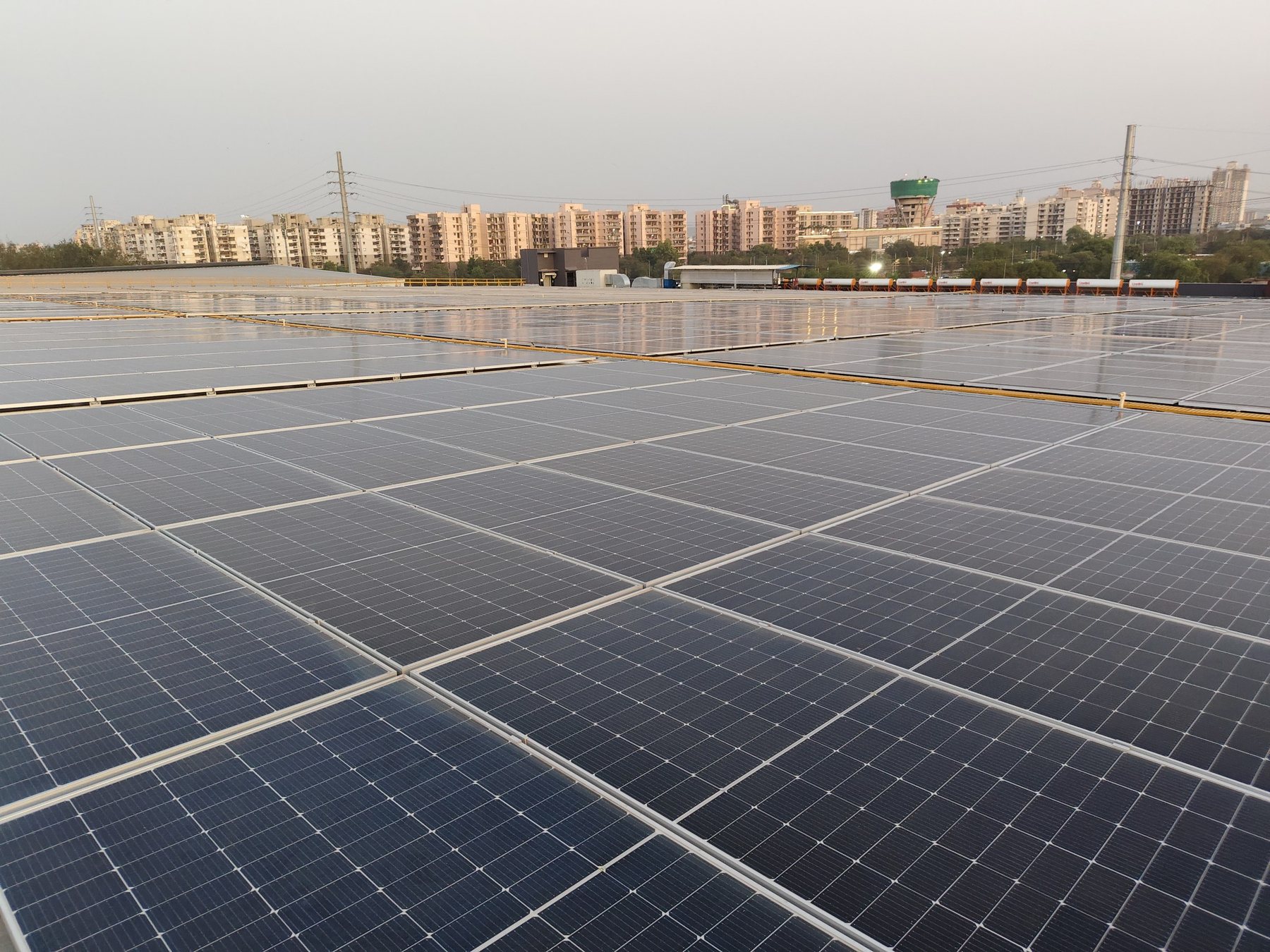
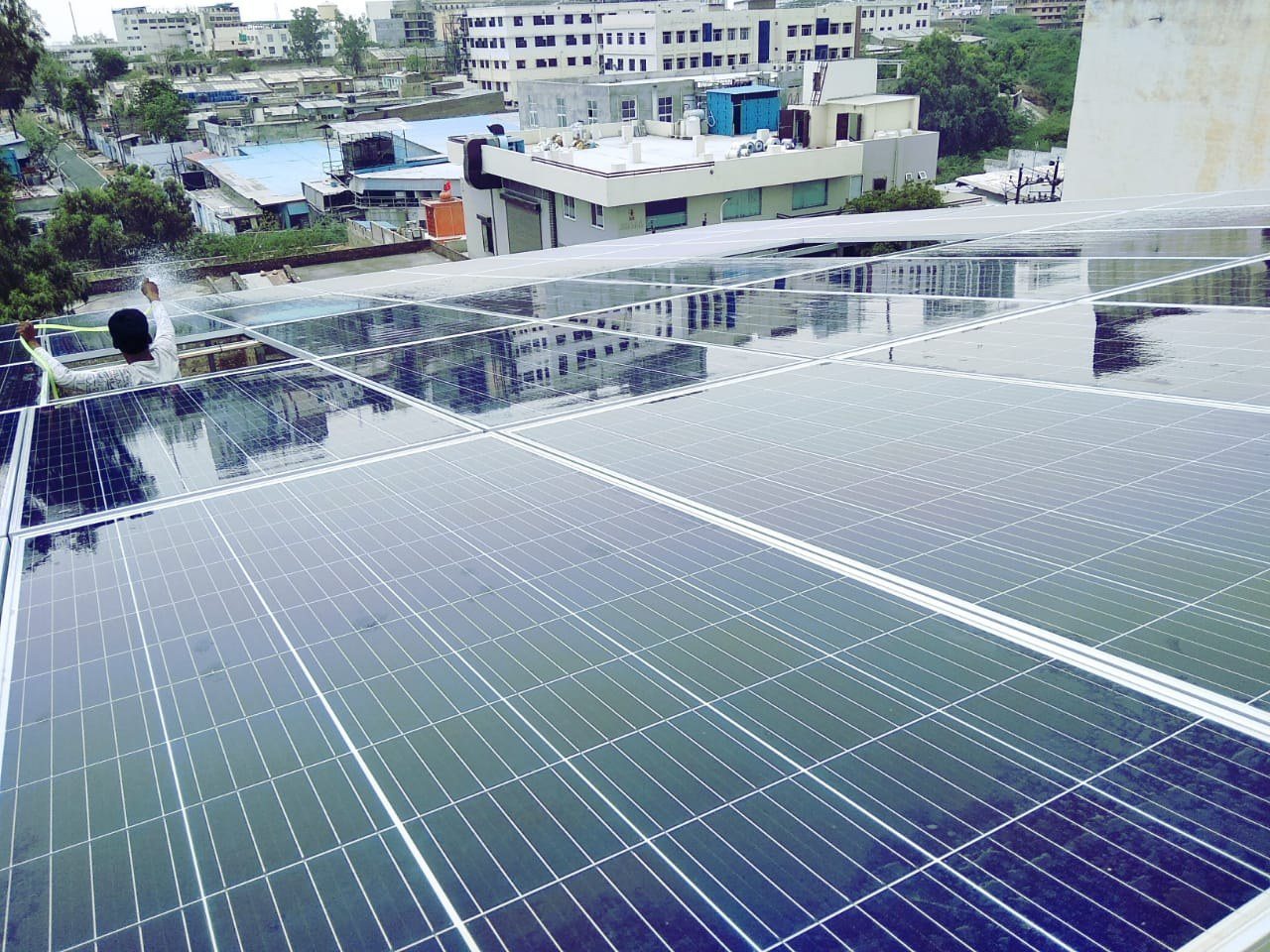
Module power is rated at 25 °C cell temperature. On a metal shed in Jaipur in May, cells run at 60–70 °C. At 65 °C, a PERC module with −0.35%/°C loses about 14% of its rated power to heat, a TOPCon module at −0.30%/°C about 12%, and an HJT module at −0.25%/°C about 10%. Over a year, a better temperature coefficient is often worth 1–3% more energy per kWp, which matters more than the headline efficiency difference on a roof where space is not the constraint.
The TOPCon caveat: UV and damp heat
TOPCon is now the default n-type technology in India, and good TOPCon modules are excellent. But independent testing has found two weaknesses in some designs:
- UV-induced degradation (UVID). UV light can damage the front-surface passivation of some TOPCon cells. In Kiwa PVEL's 2024 testing, losses after the UV dose ranged from 0.6% to 16.6% across BOMs, with a median of 2.2%; four TOPCon BOMs lost under 1%. UVID is now a Top Performer category in the 2026 Scorecard.
- Damp-heat corrosion. Some TOPCon BOMs lost several percent in extended damp-heat testing, linked to the encapsulant and front metallisation. This matters for coastal and humid sites.
The lesson is not "avoid TOPCon". It is buy a specific TOPCon BOM with independent UVID and DH results (see our guide to the Kiwa PVEL Scorecard) and specify a POE or EPE encapsulant for humid sites.
Bifacial on rooftops: when it pays, when it doesn't
A bifacial module collects light reflected onto its rear side. How much depends almost entirely on what is behind it:
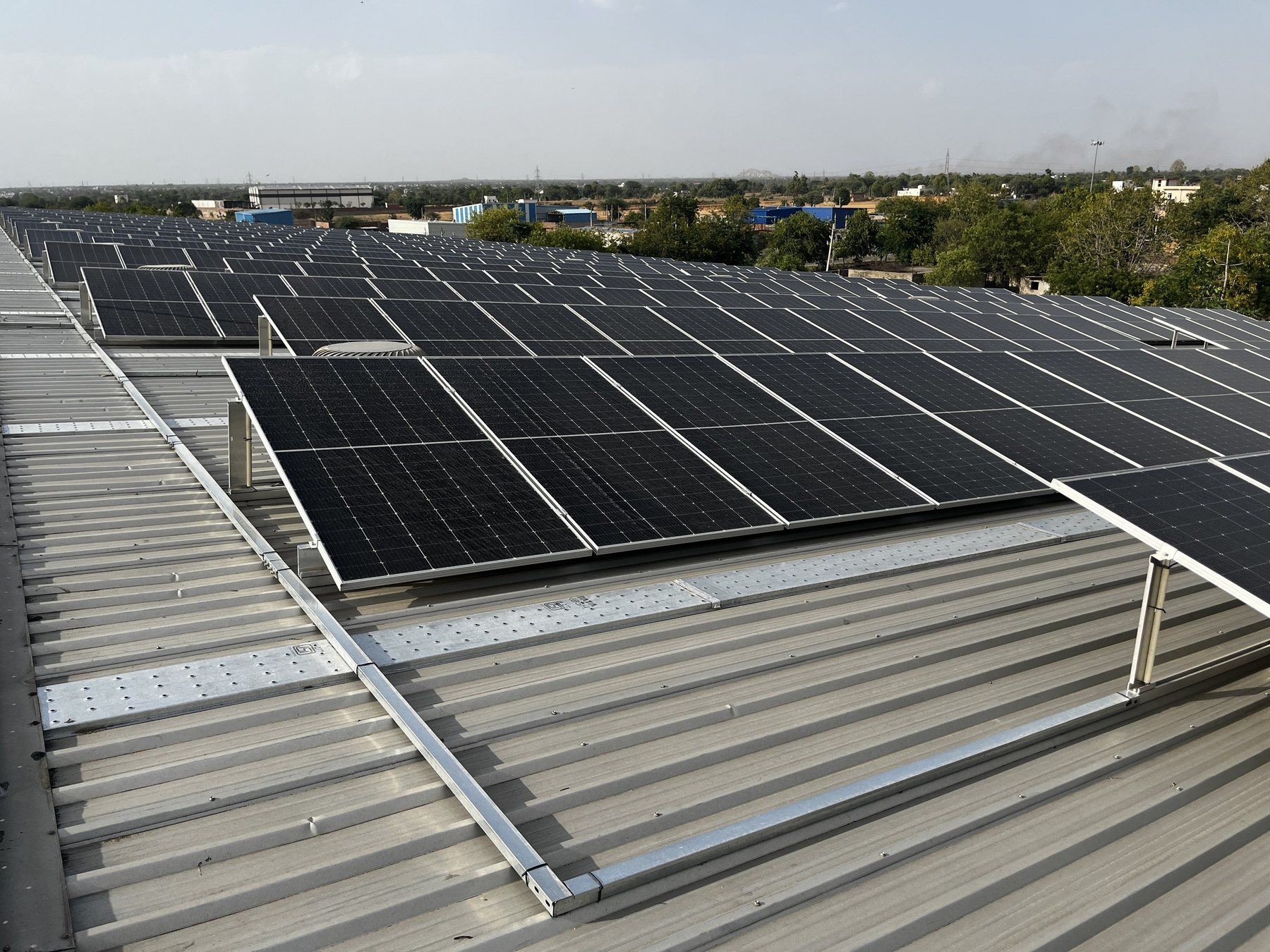
- Flush on a metal shed: near zero rear gain. The sheet is centimetres away and shaded. Choose glass-glass bifacial here only if you want the durability of glass-glass, not for extra energy.
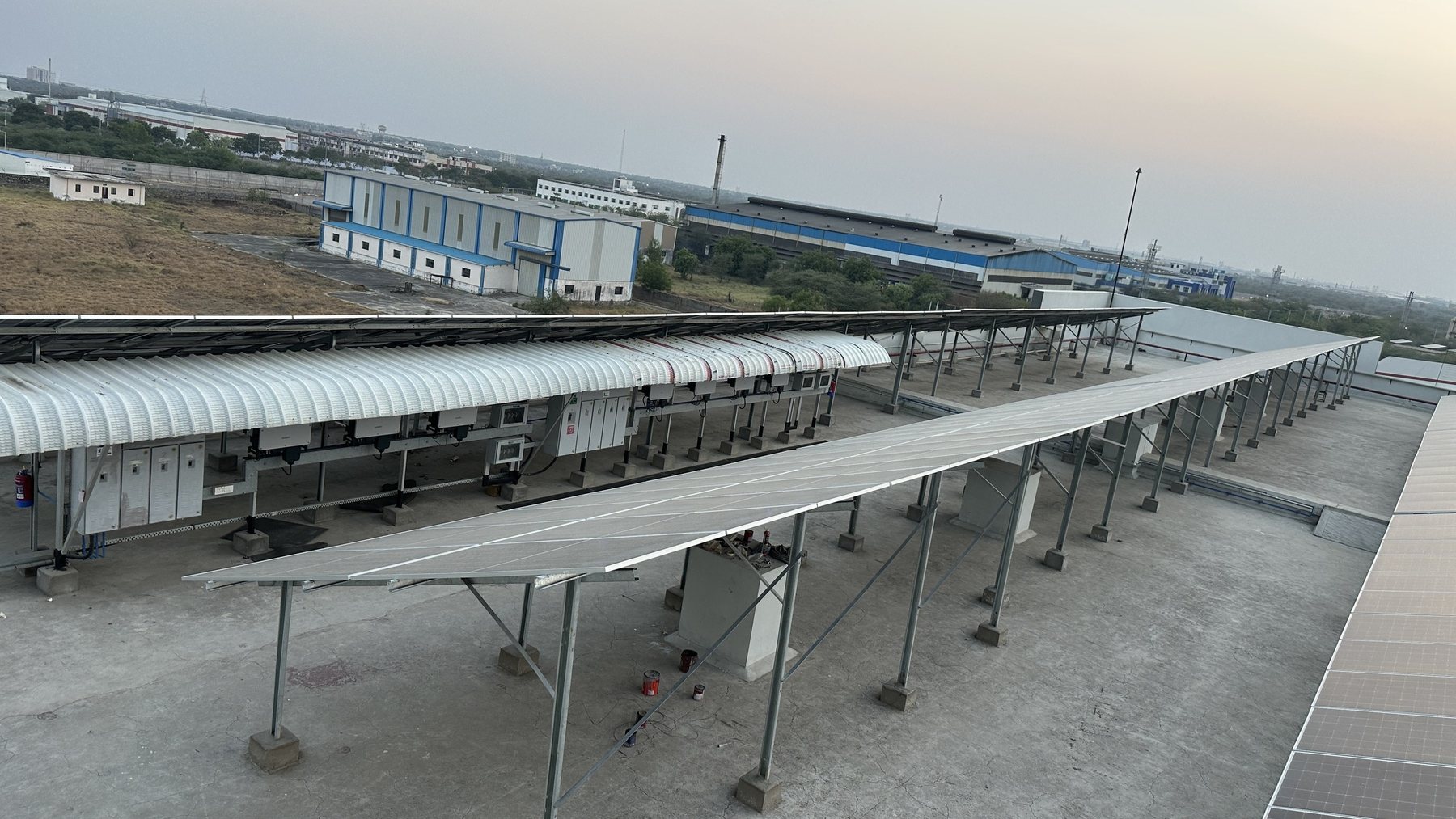
- Elevated structure over a white or light RCC roof: a measured study on a white flat roof found an initial gain of 15–17%, settling to 5–7% after a year as dirt reduced the roof's reflectivity. A 2024 study of industrial rooftops measured 2–15%, and found that rear shading from structure members can wipe out most of the gain.
- Ground mount over bare soil or gravel: typically 4–8% in Indian conditions, more with higher clearance and lighter ground.
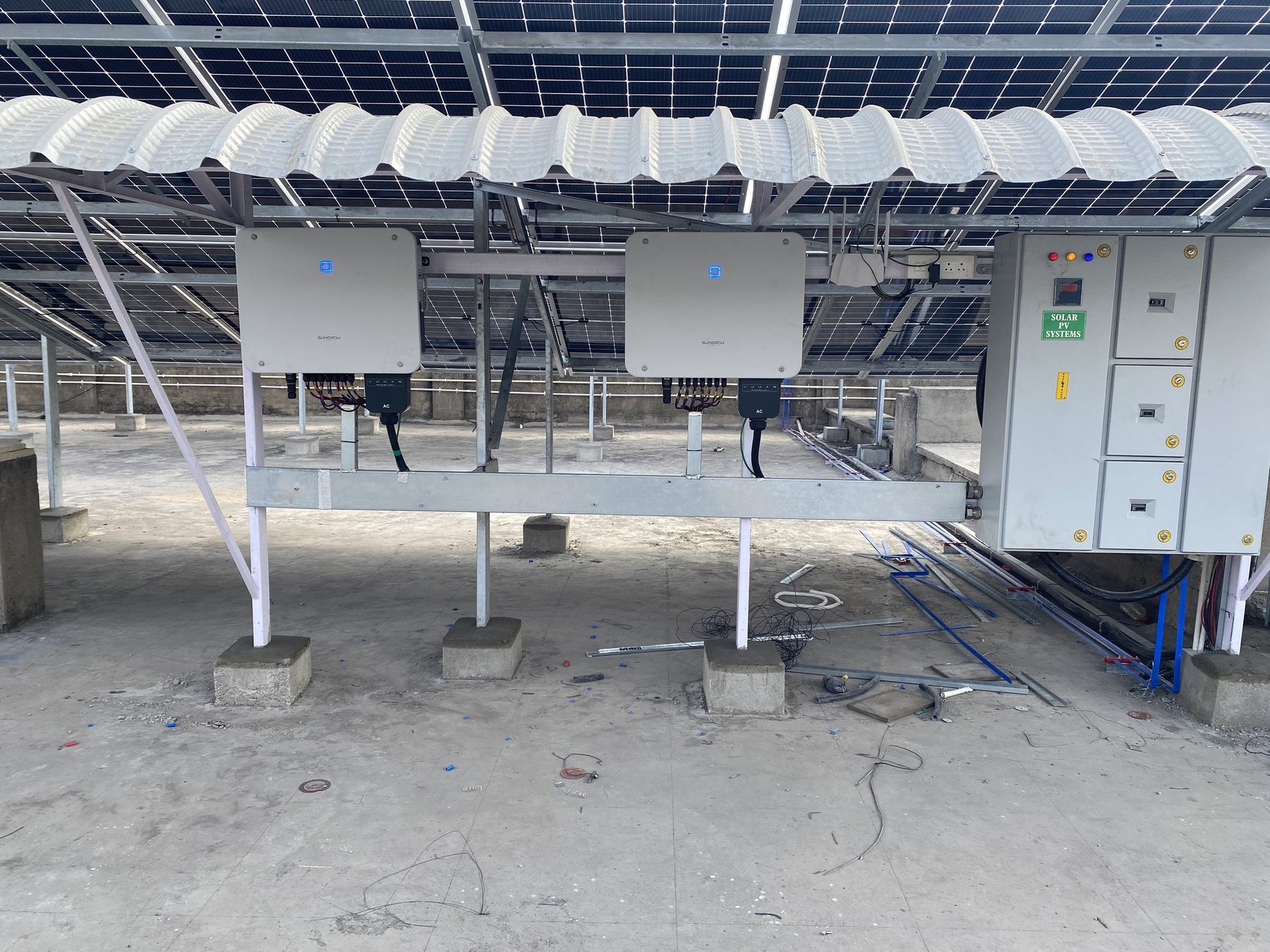
Rule of thumb: bifacial earns its premium when the module bottom edge is at least 1 m above a light, clean surface and the rear side is not crossed by purlins. Painting an RCC roof white and keeping it clean is one of the cheapest yield upgrades available.
Glass-glass or glass-backsheet?
Glass-glass modules resist moisture ingress and backsheet cracking and usually carry a 30-year warranty. But many use 2.0 mm glass on each side, and the 2025–2026 Scorecards showed higher breakage in hail and mechanical load tests for thinner glass. On metal roofs where people will walk near modules, or in hail-prone regions, a 3.2 mm glass-backsheet module or a glass-glass module with 2.5 mm+ front glass is the more robust choice.
The ALMM List-II factor
From 1 June 2026, modules on ALMM List-I must use cells from ALMM List-II (made in India). Net-metering and open access projects were given an exemption on the cell requirement until 31 December 2026; projects commissioned after that must comply. Domestic cell capacity is concentrated in PERC and TOPCon, with HJT added recently, so your technology choice and your commissioning date are now linked. Get written confirmation of ALMM List-I status for the exact model, and of List-II cell sourcing where it applies, before you pay an advance.
What we usually recommend
- Metal shed rooftops: TOPCon with independent UVID results, monofacial or glass-glass, frame and clamp zones matched to the structure.
- RCC rooftops with elevated structures: bifacial TOPCon or HJT, with the roof painted white and a clear rear side.
- Ground mount and KUSUM: bifacial TOPCon, high clearance, with the BOM locked in the purchase order.
Every site is different, and the right answer is the one that maximises lifetime energy for your roof and climate. Talk to us before you choose a module on price per watt alone.
Sources and further reading
- Kiwa PVEL: 2024 Scorecard UVID results
- PV Tech: UVID is 'particularly concerning' for TOPCon cells (UNSW)
- TNO / Renewable Energy (2021): energy yield of an elevated PV system on a white flat roof
- Applied Sciences (2024): bifacial gain on industrial rooftops
- Mercom: ALMM List-II for solar cells in force from June 2026
Standards and regulations change. Check the current edition and your state regulator before relying on any figure for a specific project.