Safety
DC fire safety in rooftop solar: connectors, isolators and cable routing
Solar fires are rare. When they happen, they almost always start in the same few places.
Solar plants are not inherently a fire risk. Large studies find PV-related fires are rare relative to the number of systems installed. But when they do happen, they almost always start in the same places, and on a factory roof a fire is a business-continuity event, not just an equipment loss. Here is where DC fires come from and how a well-built plant designs them out.
Why DC is different
An AC arc extinguishes itself 100 times a second as the current passes through zero. A DC arc does not. A string at 1,000 V DC and 10–15 A can sustain an arc across a loose or corroded connection for as long as the sun is shining, reaching temperatures of several thousand degrees. And a string cannot be switched off at the module: as long as there is light, the cables between the modules and the inverter are live.
Where fires actually start
The most detailed public investigation, by the UK's BRE National Solar Centre, reviewed fire incidents across roughly a million installations. Of the fires caused by the PV system itself, the DC connector was the second most common cause, behind isolators. The pattern in field experience worldwide is consistent:
- Poorly crimped or incompletely mated connectors. A connector that is not fully clicked home, or crimped with the wrong tool, develops high contact resistance, heats up and eventually arcs.
- Cross-mated connectors. Plugging one brand's "MC4-compatible" connector into another's. Tolerances differ, contact resistance rises and the connector warranty and certification no longer apply.
- DC isolators and switches that are under-rated, poorly installed, or have water ingress.
- Cable damage. Cables chafing on sharp sheet edges, cut by thermal movement, chewed by rodents, or lying in water in a sheet valley.
- Hotspots in modules from cracked cells, failed bypass diodes or persistent shading.
Designing fire out of the plant
1. Connectors
- Use the same manufacturer and type of connector on both sides of every joint, including at the module, extension cables and inverter inputs. If the module connector cannot be matched, factory-made adapter leads are better than field cross-mating.
- Crimp with the manufacturer's specified tool, and pull-test a sample.
- Keep connectors off the roof surface and out of water paths.
2. Cables and routing
- Use solar DC cable to IEC 62930 / EN 50618 (double insulated, UV and ozone resistant), sized for voltage drop and current.
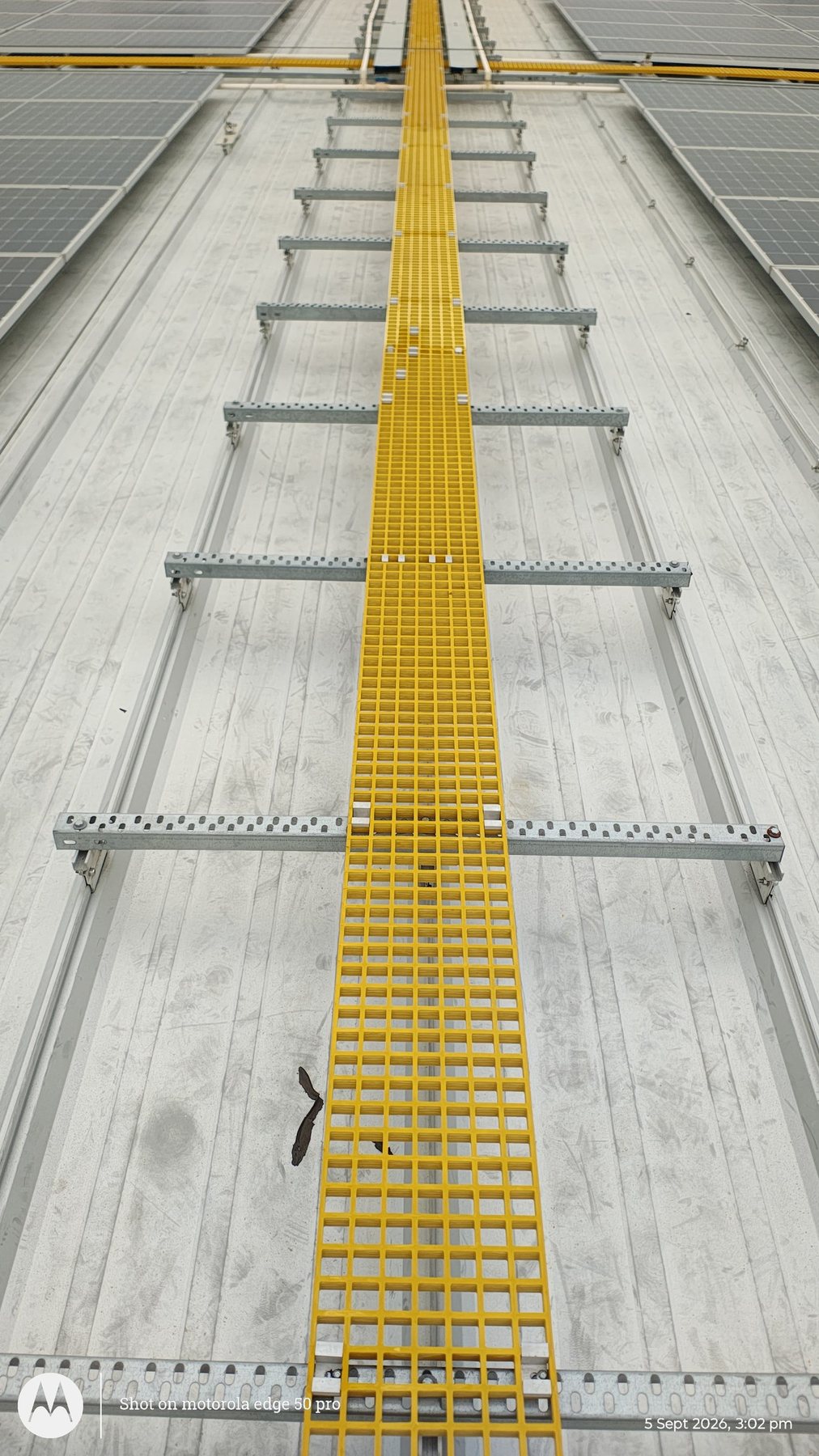
- Route cables in covered metallic trays or conduits, clipped with UV-stable stainless clips rather than cable ties that fail in a few years.
- Protect cables at every edge and penetration, and leave slack for thermal movement.
3. Protection devices
- String fuses where three or more strings are paralleled, rated for DC at the full system voltage.
- DC isolators rated for the full DC voltage and current, installed per the manufacturer's orientation and IP requirements.
- Insulation monitoring (most string inverters do this before connecting each morning) with alarms that someone actually reads.
- Arc-fault detection (AFCI), built into many modern string inverters, is worth enabling where available.
4. Layout
- Keep fire access paths and smoke vents clear, and avoid covering roof fire-break zones with modules.
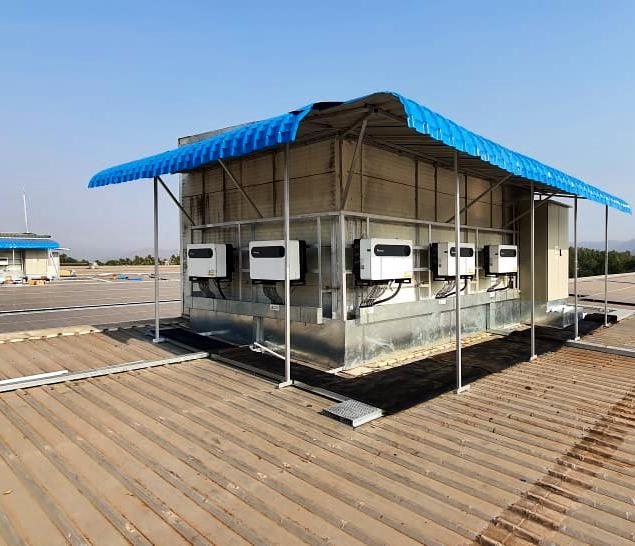
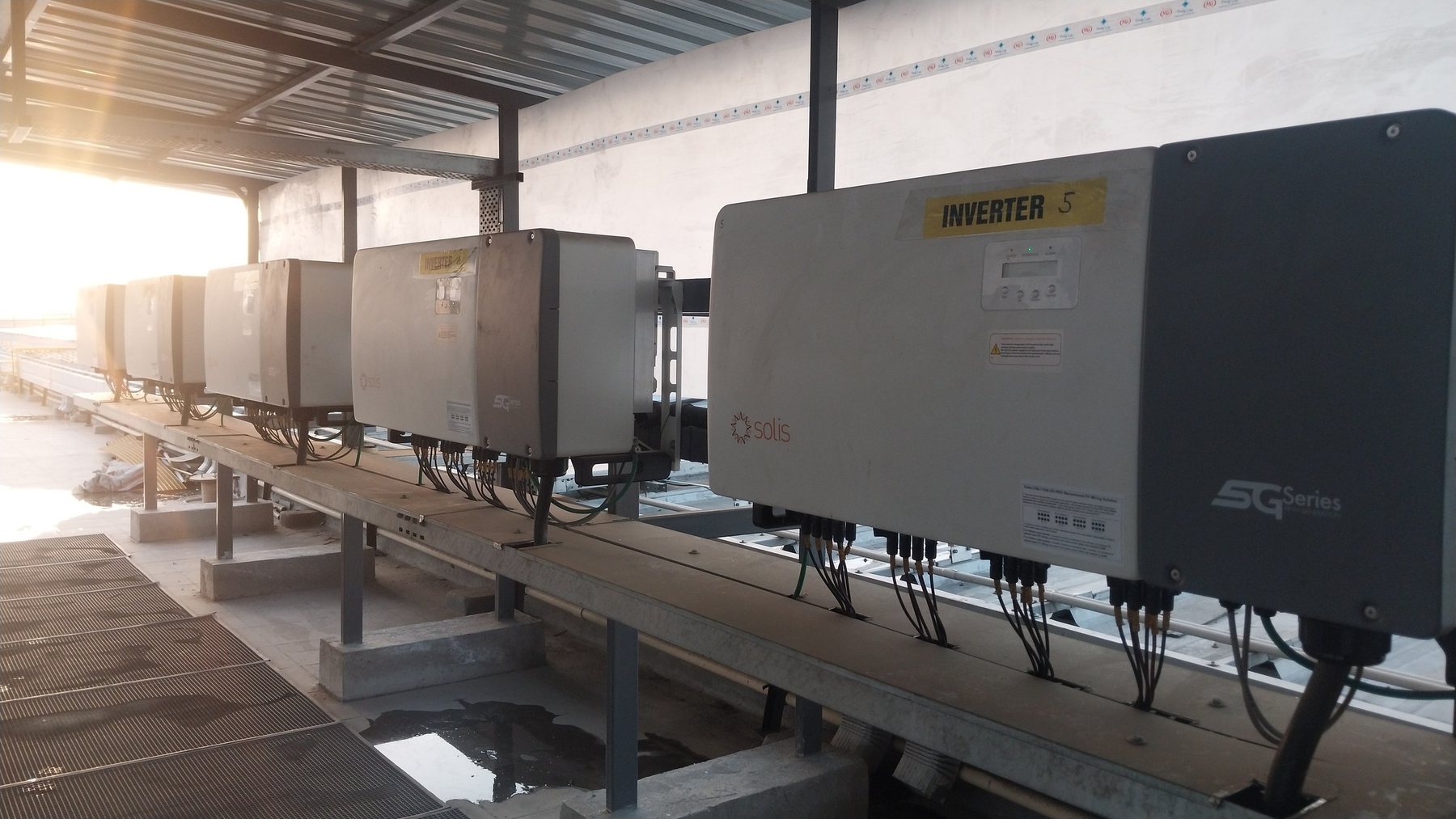
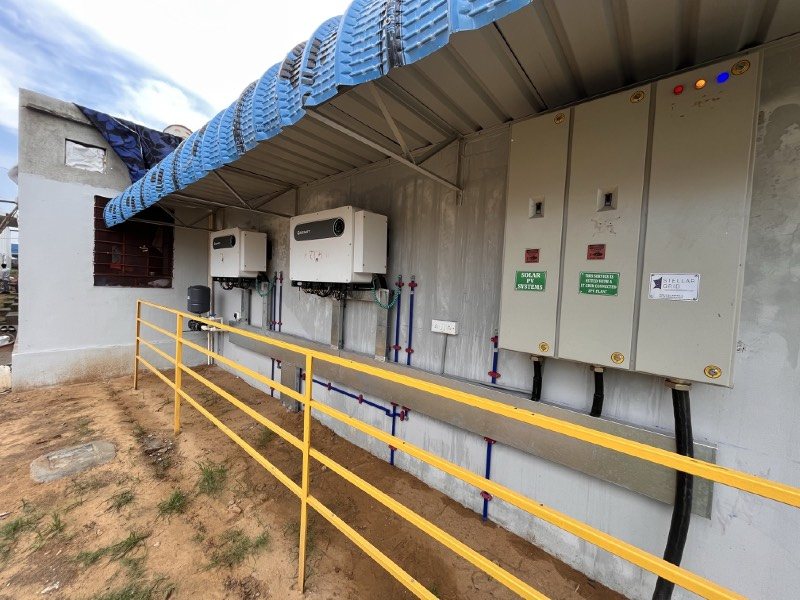
- Mount inverters and combiner boxes in ventilated, shaded locations, away from combustible storage.
- Provide clear labelling of DC isolators and an emergency shutdown procedure at the main entrance for fire services.
Inspection catches what design misses
Most connector faults develop over time, so they are found by inspection, not by design reviews:
- Thermal imaging of connectors, combiner boxes and isolators under load. A connector running 10–20 °C hotter than its neighbours is a warning; one at 40 °C+ above is urgent.
- Insulation resistance tests on each string during commissioning and periodically afterwards.
- Visual inspection for discolouration, melting, cracked housings and chafed cable.
- Torque checks on terminals in combiner boxes and inverters, which loosen with thermal cycling.
Our guide to commissioning and periodic tests explains how these fit into the IEC 62446 framework.
Insurance angle: industrial insurers increasingly ask for evidence of connector matching, thermal imaging reports and fire access layouts before covering rooftop solar. A plant built and documented properly is easier and cheaper to insure.
If you have an existing plant and want to know whether it has any of these problems, ask us for an inspection.
Sources and further reading
- Solar Builder: rooftop solar fires and the BRE findings on DC connectors
- pv magazine USA: How do we prevent solar fires if we don't know anything about them?
- Solar Builder: PV connector hazards
Standards and regulations change. Check the current edition and your state regulator before relying on any figure for a specific project.